Pcie 3.0 has an effective transfer speed of up to 985 mb/s per lane, which means there is a potential transfer speed of up to 16gb/s. In theory, an m.2 pcie ssd is more like a sata ssd on a supercar. By leveraging the pcie bus, nvme m.2 ssds have theoretical transfer speeds of up to 20gbps, which is already faster than sata m.2 ssds with 6gbps. The m.2 form factor has been designed to maximize pcb (printed circuit board) space while minimizing the footprint of the m.2 module itself. Generally, solid state drives are 22 millimeters wide.
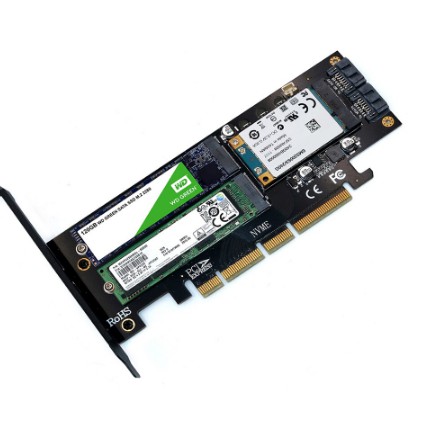
While the sata interface is capped at 6gb/s, pcie 3.0 has 32gb/s of the bandwidth throughput, which is a lot faster.
The m.2 form factor has been designed to maximize pcb (printed circuit board) space while minimizing the footprint of the m.2 module itself. 16, 26, 30, 38, 42, 60, 80, or 110 millimeters. While the sata interface is capped at 6gb/s, pcie 3.0 has 32gb/s of the bandwidth throughput, which is a lot faster. The module is rectangular, with possible widths of 12, 16, 22, or 30 millimeters. By leveraging the pcie bus, nvme m.2 ssds have theoretical transfer speeds of up to 20gbps, which is already faster than sata m.2 ssds with 6gbps. The combination of pcie interface with a logical interface such as nvme increases the read and write speed of an ssd. It's even a lot faster with the next pcie generations, such as pcie 4.0, pcie 5.0, pcie 6.0, which have the bandwidth throughput at 64gb/s, 128gb/s. Pcie 3.0 has an effective transfer speed of up to 985 mb/s per lane, which means there is a potential transfer speed of up to 16gb/s. In theory, an m.2 pcie ssd is more like a sata ssd on a supercar. Pcie buses can support 1x, 4x, 8x and 16x lanes. Generally, solid state drives are 22 millimeters wide.
16, 26, 30, 38, 42, 60, 80, or 110 millimeters. Generally, solid state drives are 22 millimeters wide. Pcie buses can support 1x, 4x, 8x and 16x lanes. The combination of pcie interface with a logical interface such as nvme increases the read and write speed of an ssd. While the sata interface is capped at 6gb/s, pcie 3.0 has 32gb/s of the bandwidth throughput, which is a lot faster.

The m.2 form factor has been designed to maximize pcb (printed circuit board) space while minimizing the footprint of the m.2 module itself.
16, 26, 30, 38, 42, 60, 80, or 110 millimeters. The m.2 form factor has been designed to maximize pcb (printed circuit board) space while minimizing the footprint of the m.2 module itself. Pcie buses can support 1x, 4x, 8x and 16x lanes. In theory, an m.2 pcie ssd is more like a sata ssd on a supercar. The module is rectangular, with possible widths of 12, 16, 22, or 30 millimeters. By leveraging the pcie bus, nvme m.2 ssds have theoretical transfer speeds of up to 20gbps, which is already faster than sata m.2 ssds with 6gbps. The combination of pcie interface with a logical interface such as nvme increases the read and write speed of an ssd. It's even a lot faster with the next pcie generations, such as pcie 4.0, pcie 5.0, pcie 6.0, which have the bandwidth throughput at 64gb/s, 128gb/s. Pcie 3.0 has an effective transfer speed of up to 985 mb/s per lane, which means there is a potential transfer speed of up to 16gb/s. While the sata interface is capped at 6gb/s, pcie 3.0 has 32gb/s of the bandwidth throughput, which is a lot faster. Generally, solid state drives are 22 millimeters wide.
Generally, solid state drives are 22 millimeters wide. 16, 26, 30, 38, 42, 60, 80, or 110 millimeters. Pcie 3.0 has an effective transfer speed of up to 985 mb/s per lane, which means there is a potential transfer speed of up to 16gb/s. The combination of pcie interface with a logical interface such as nvme increases the read and write speed of an ssd. It's even a lot faster with the next pcie generations, such as pcie 4.0, pcie 5.0, pcie 6.0, which have the bandwidth throughput at 64gb/s, 128gb/s.

Pcie buses can support 1x, 4x, 8x and 16x lanes.
The combination of pcie interface with a logical interface such as nvme increases the read and write speed of an ssd. Pcie 3.0 has an effective transfer speed of up to 985 mb/s per lane, which means there is a potential transfer speed of up to 16gb/s. Generally, solid state drives are 22 millimeters wide. Pcie buses can support 1x, 4x, 8x and 16x lanes. The module is rectangular, with possible widths of 12, 16, 22, or 30 millimeters. It's even a lot faster with the next pcie generations, such as pcie 4.0, pcie 5.0, pcie 6.0, which have the bandwidth throughput at 64gb/s, 128gb/s. The m.2 form factor has been designed to maximize pcb (printed circuit board) space while minimizing the footprint of the m.2 module itself. In theory, an m.2 pcie ssd is more like a sata ssd on a supercar. While the sata interface is capped at 6gb/s, pcie 3.0 has 32gb/s of the bandwidth throughput, which is a lot faster. 16, 26, 30, 38, 42, 60, 80, or 110 millimeters. By leveraging the pcie bus, nvme m.2 ssds have theoretical transfer speeds of up to 20gbps, which is already faster than sata m.2 ssds with 6gbps.
Ssd M.2 Sata Pcie. The module is rectangular, with possible widths of 12, 16, 22, or 30 millimeters. The m.2 form factor has been designed to maximize pcb (printed circuit board) space while minimizing the footprint of the m.2 module itself. It's even a lot faster with the next pcie generations, such as pcie 4.0, pcie 5.0, pcie 6.0, which have the bandwidth throughput at 64gb/s, 128gb/s. Generally, solid state drives are 22 millimeters wide. While the sata interface is capped at 6gb/s, pcie 3.0 has 32gb/s of the bandwidth throughput, which is a lot faster.